Latest temperature measurement example of bottom bricks in coke oven flue. Data revolution with SD card compatibility.
Introduction
Article purpose
This article focuses on measuring the temperature of the bottom bricks of the flue gas, which is an important part of coke ovens at steelworks, and explains specific measurement examples, data management using IR-HA, and measures to prevent problems from occurring.
The importance of temperature measurement in steel mills
In the steelmaking process, coke ovens are important facilities that produce coke by carbonizing coal. Coke is essential as a reducing agent for iron ore and a heat source in blast furnaces, and its quality depends heavily on the stable operation of the coke oven. Temperature control of the coke oven combustion chamber, especially the bottom flue bricks, is an extremely important factor that directly affects coke quality maintenance, energy conservation, and equipment damage prevention.
What is the temperature measurement of the bottom bricks of the coke oven flue?
Role and structure of the flue bottom brick
A coke oven has structure in which dozens of carbonization chambers and the combustion chambers that heat them are arranged alternately horizontally. The flue bottom bricks are refractory bricks that configuration the bottom of these combustion chambers, and play a central role in efficiently transferring heat when the coal is steamed at high temperatures and maintaining uniform temperature distribution within the furnace. The furnace battery is a huge structure, measuring 20 to 50 meters in length, 15 to 20 meters in depth, and 10 to 20 meters in height, and these bottom bricks are constantly exposed to high temperatures.
Relationship between bottom brick damage mechanism and temperature control
Coke ovens are typically used continuously for long periods of time, typically 30 to 40 years, so the refractories inside the oven must be highly durable. However, the bottom bricks of the flue are subject to damage and deterioration over time due to a combination of factors, including high-temperature load, temperature fluctuations, chemical reactions, and mechanical stress. In particular, improper temperature control accelerates cracking, deformation, and melting of the bricks due to thermal stress, seriously affecting the stable operation of the oven. Therefore, accurate temperature measurement and continuous monitoring are essential for early detection of brick damage, preventative maintenance, and ultimately for extending the oven's lifespan.
Image of on-site operation of patrol measurements
At steel mills, regular patrol measurements are carried out to ensure the soundness of the flue bottom bricks. Workers carry measuring devices and measure the temperature at each measurement point in the combustion chamber. The conventional measurement method required workers to record the measurements by hand and then enter them into a PC when they returned to the office, which was time-consuming. This process was fraught with issues such as recording errors and the hassle of transcribing data.
Measurement data management and on-site digital transformation
Up to 9999 data can be stored in one file on the SD card
The IR-HA can store measurement data on an SD card (up to 2GB), allowing you to safely store up to 9999 temperature data points acquired during long-term patrol measurements.
Data linkage with PC/smartphone: Daily report creation and history saving
Data collected by the IR-HA can be transfer to a PC via an SD card and output in CSV format. This makes it easy to automatically create daily reports based on temperature data collected on-site and to save past measurement history as digital data.
- Improving the efficiency of daily report creation:
Manual data entry is no longer necessary, significantly reducing the time required to create daily reports. Measurement dates and times, temperature values, etc. are automatically recorded and organized, reducing the risk of human error.
- History storage and trend analysis:
By digitally managing past measurement data in a centralized manner, it is possible to analyze long-term temperature trend analysis. Temperature rises and abnormal behavior in specific flue bottom bricks can be detected early, and this information can be used to develop preventive maintenance plans.
Patrol measurement examples and trouble prevention
Example of measured temperature data (e.g. 1218℃) and interpretation points
The bottom bricks of a coke oven flue reach high temperatures exceeding 1200°C during the coking process. For example, if actual temperature data of a certain bottom brick of the flue is 1218°C, it is important to accurately interpret whether this value is within the allowable range or indicates an abnormal trend.
- Comparison with the standard value:
We compare the temperature with data from past stable operations and the design standard temperature to check for any deviations.
- Identifying local hot spots:
If an abnormally high temperature is observed in a specific location compared to the surrounding bricks, there may be brick damage or uneven combustion balance in that area.
- Tracking changes over time:
Continuous patrol measurements reveal that the temperature at a particular measurement point tends to increase over time, which may indicate potential damage progression.
Damage detection and predictive maintenance of flue bottom bricks
Accurate temperature data is essential for detecting damage to the flue bottom bricks and for predictive maintenance.
- Early detection:
If cracks, peeling, or melting occur inside bricks, the thermal conductivity of that area changes, and abnormalities in the surface temperature may appear. high accuracy temperature measurement can detect these subtle changes early on, allowing for action to be taken before major damage occurs.
- Analysis of degradation mechanism:
Analyzing long-term temperature history data will help us gain a deeper understanding of the deterioration mechanism of bricks and contribute to the development of a predictive maintenance model that can predict future damage.
- Planned repairs:
Based on temperature data, areas at high risk of damage can be identified and planned repairs or replacements can be carried out, reducing the risk of unexpected furnace shutdowns and optimizing maintenance costs.
Temperature monitoring for operational optimization, quality and safety
Maintaining coke quality, saving energy, and contributing to safe operation
Proper temperature monitoring of flue bottom bricks can bring significant benefits to the overall operation of a coke oven.
- Coke quality maintenance:
Uniform temperature control optimizes the coal carbonization process and contributes to the stable production of high-quality coke with high strength and few impurities.
- Energy saving:
By optimizing combustion efficiency and preventing excessive heating, fuel gas consumption can be reduced, which leads to lower operating costs and reduced CO2 emissions.
- Safe operation:
Early detection of brick damage and room temperature monitoring prevent sudden furnace malfunction and the spread of damage, contributing to ensuring the safety of workers.
Case study of improving work efficiency for field engineers
IR-HA significantly improves the work efficiency of field engineers.
- Coke quality maintenance:
Uniform temperature control optimizes the coal carbonization process and contributes to the stable production of high-quality coke with high strength and few impurities.
- Energy saving:
By optimizing combustion efficiency and preventing excessive heating, fuel gas consumption can be reduced, which leads to lower operating costs and reduced CO2 emissions.
- Safe operation:
Early detection of brick damage and room temperature monitoring prevent sudden furnace malfunction and the spread of damage, contributing to ensuring the safety of workers.
Summary
Revolutionary Temperature Measurement in the Field and Practical Points
Measuring the temperature of bricks at the bottom of a coke oven flue is an important factor that directly affects coke quality, energy conservation, and safe operation. The IR-HA revolutionizes the process from data logging to management and analysis, promoting digital transformation. The use of high accuracy non-contact sensors and data management using SD cards contributes to early detection of brick damage and preventive maintenance, improving efficiency and reliability at the operation site.
Inquiries and Reference Information
If you have any questions about coke oven temperature measurement or instrumentation integration, please contact us. Our specialized engineers will propose the best solution to meet your on-site challenges.
Related product
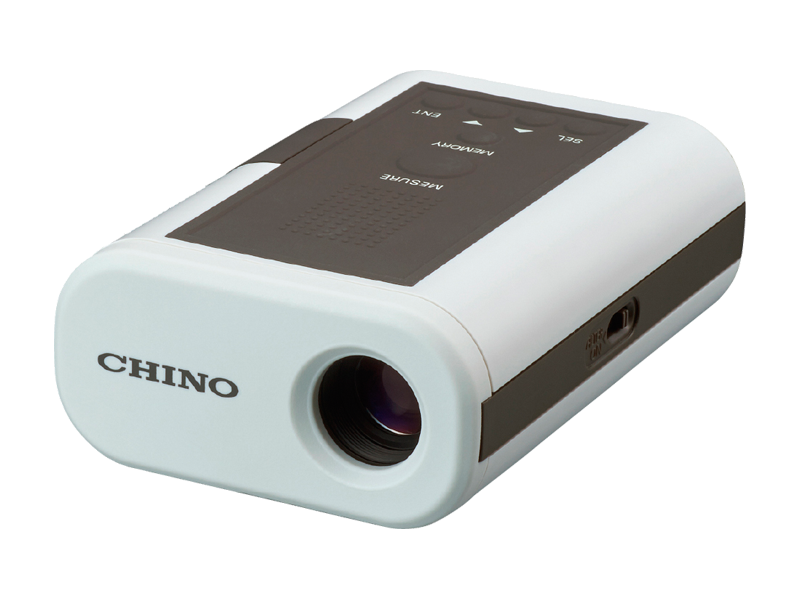
IR-HA
更新日:2026.02.25